
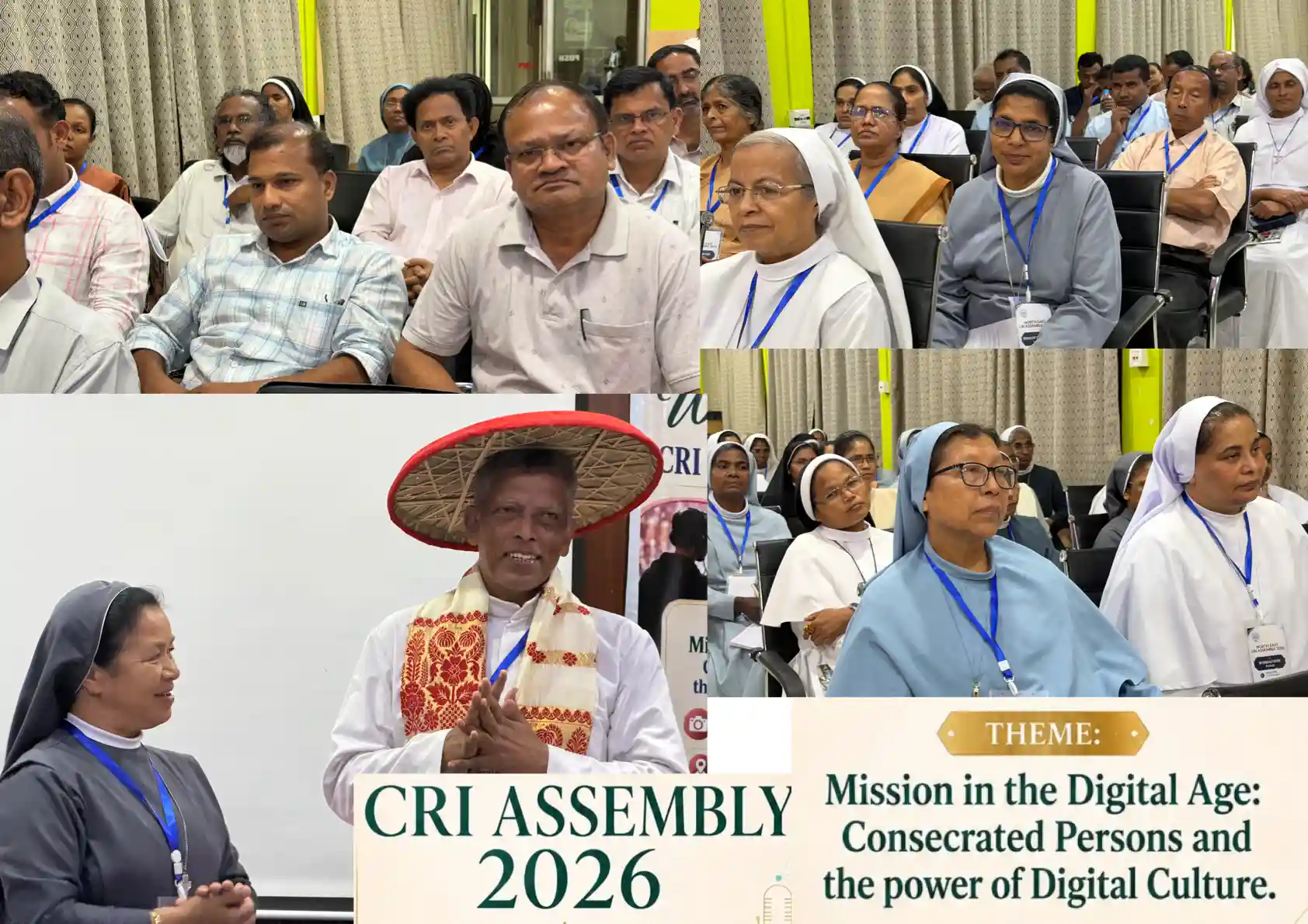
Guwahati, September 2, 2026:
The 45th North East Regional Conference of Religious India (CRI) Assembly began in Guwahati with a call to consecrated persons to embrace the digital world as a new mission field while remaining deeply rooted in Christ, prayer, community life and the evangelical counsels.
Held under the theme “Mission in the Digital Age,” the assembly brings together consecrated men and women from across Northeast India to reflect on the opportunities and challenges posed by digital technology for evangelisation, formation and consecrated life.
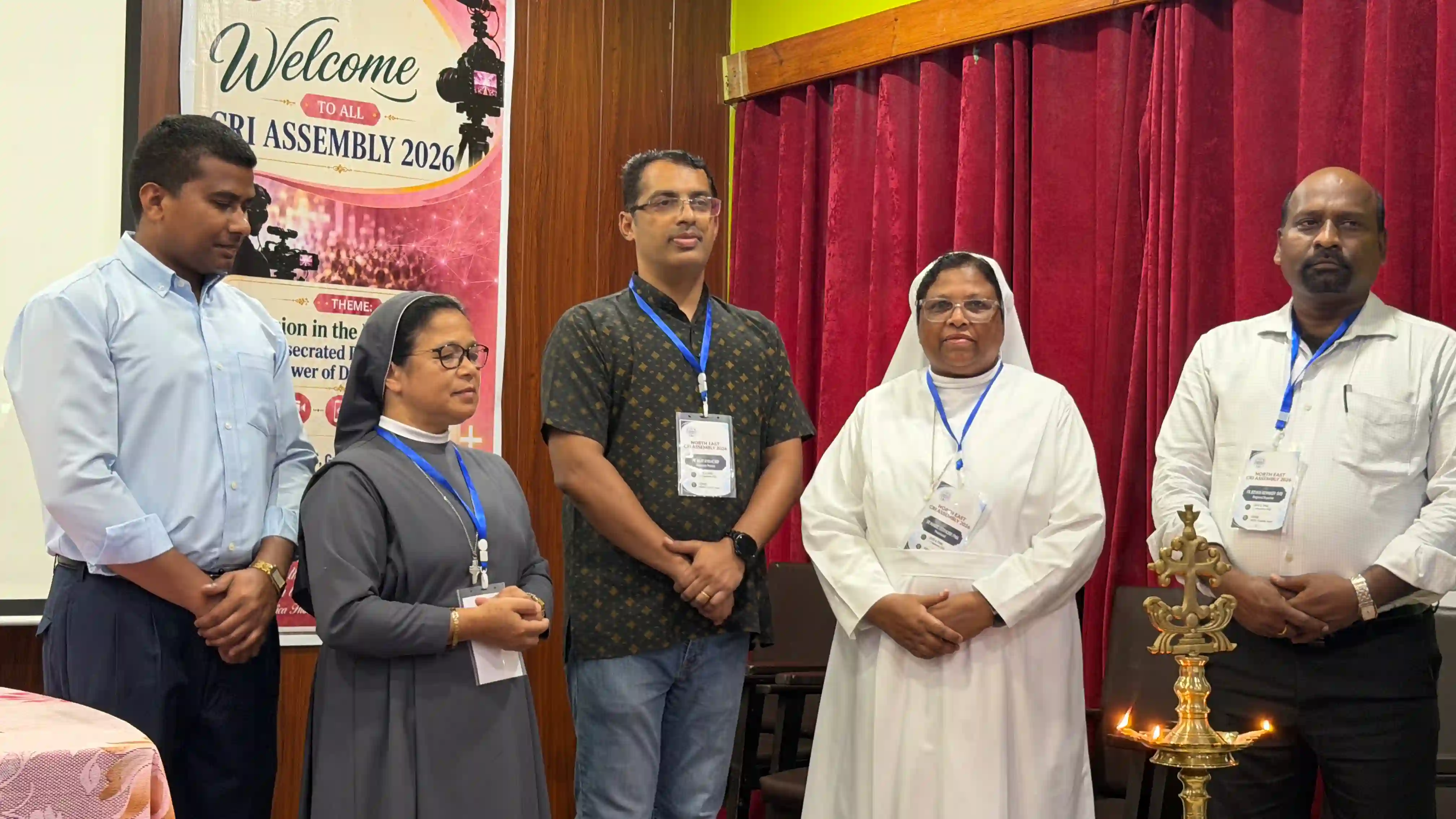
The inaugural session highlighted the growing importance of digital communication in the Church’s mission. The lighting of the ceremonial lamp symbolised Christ, the light who guides the mission of the Church even amid the rapidly changing digital environment.
In his keynote address, Salesian Father Joseph Pulinthanath, working in the Diocese of Agartala, described the digital transformation as a major turning point in human history, comparable in its impact to earlier developments such as writing, the printing press and the industrial revolution. He noted that digital technology is no longer merely a tool people use but increasingly a culture and way of life that shapes relationships, knowledge, identity, work and even spiritual life.
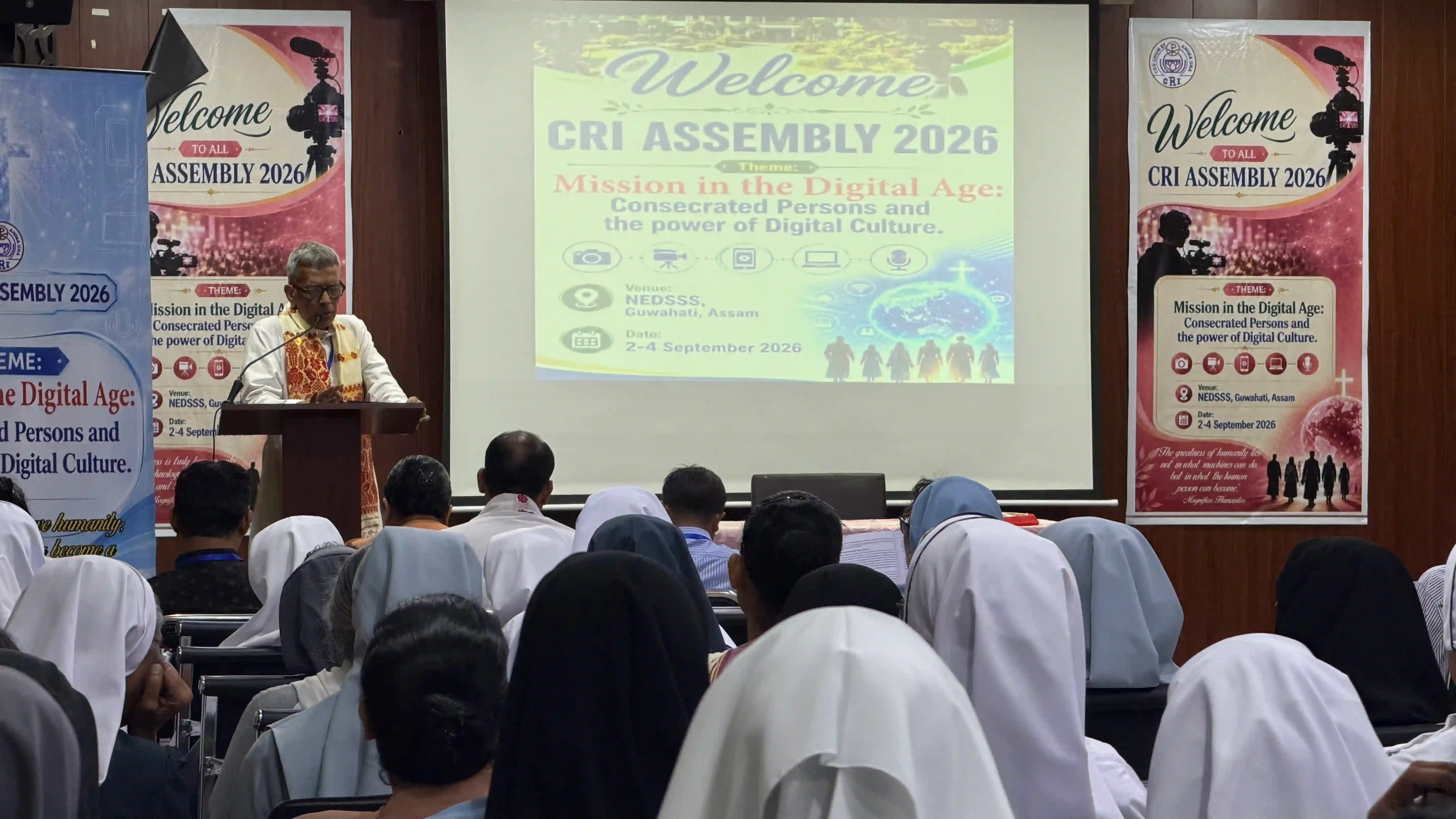
A filmmaker and co-director of the award-winning Kokborok film Yarwng (Roots), Fr. Pulinthanath urged consecrated persons to recognise the digital environment as a genuine mission field. Drawing inspiration from the missionary courage of the early Church, he called for a presence that brings truth, hope, compassion and human dignity into the digital space.
At the same time, Fr. Pulinthanath cautioned against allowing digital culture to reshape religious life according to its values of speed, self-promotion, constant stimulation and the pursuit of attention. He emphasised that digital mission must flow from spiritual depth.
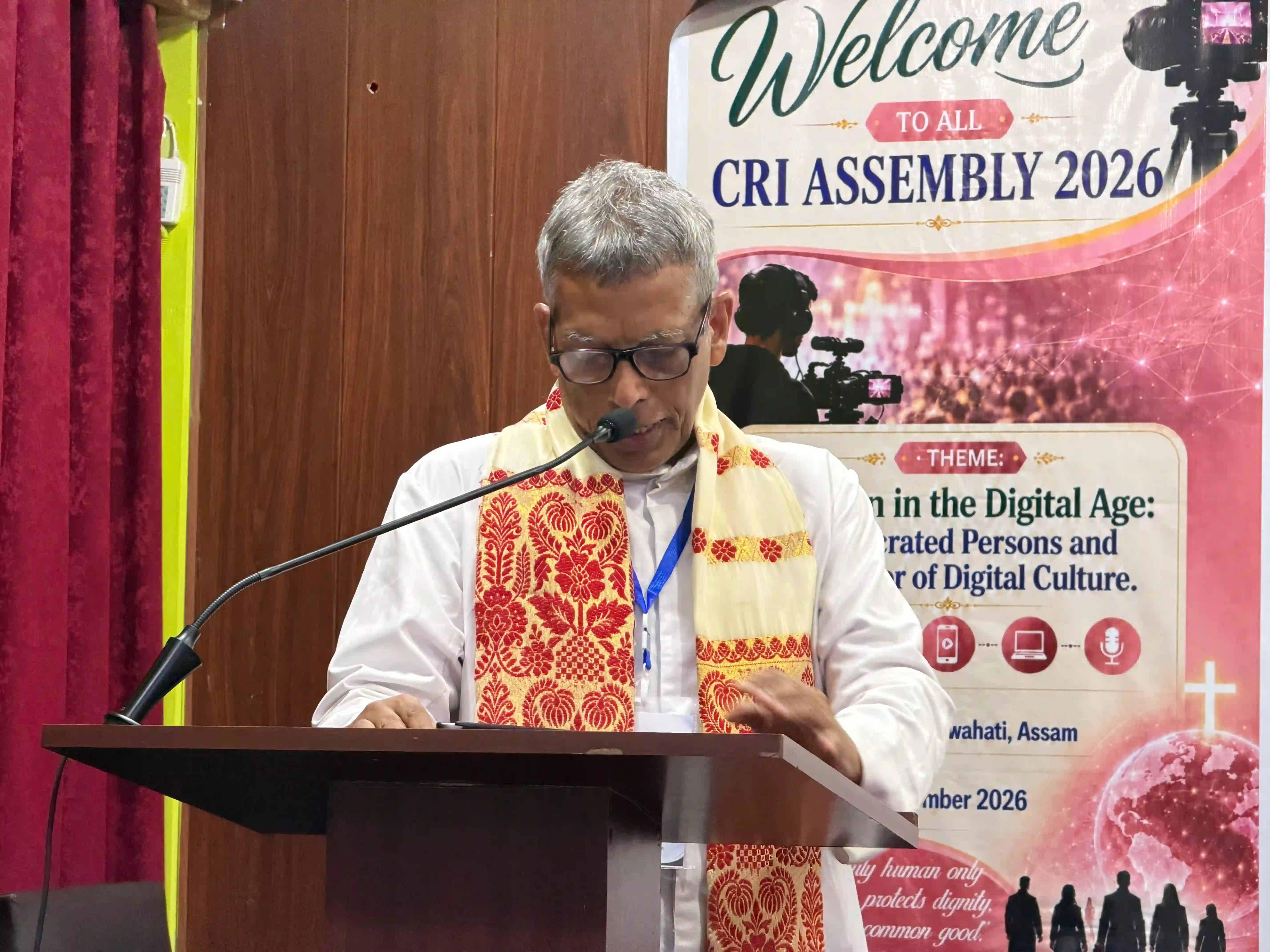
“Before we go digital, we need to go deep,” he stressed, pointing to prayer, Scripture, Eucharist, community life and discernment as the foundation of effective digital evangelisation.
The interaction that followed focused particularly on the formation of young religious. Participants were encouraged not simply to restrict their use of technology but to equip them with media literacy, enabling them to use digital media critically, creatively and responsibly.
The session also highlighted the need for healthy digital discipline, including periods of digital fasting, and for training formators to accompany young religious who enter consecrated life from an increasingly digital world.
The assembly concluded the session with a renewed emphasis on using technology to serve humanity and the Gospel, ensuring that digital connections ultimately foster deeper human, ecclesial and community relationships.
The gathering calls consecrated persons to become not merely users of digital technology but digital missionaries, bringing the presence, compassion and hope of Christ into the digital continent without losing the depth and identity of consecrated life.